Elevating bathroom decor is about balancing style with function. A well-decorated bathroom feels calm, clean, and organized while responding to daily routines and moisture challenges. This guide offers practical, designer-tested ideas to help you craft a space that reflects your taste and stands the test of time.
Core principles of bathroom decor
Start with three anchors: color, material, and lighting. Color shapes mood; materials determine durability and feel; lighting enhances perception and usability. By aligning these three elements, you create a cohesive look that remains timeless and easy to maintain.
Color palettes that work
Neutral bases such as soft whites, warm beiges, or cool greys create versatility. Add a seasonal accent with towels, rugs, or artwork in your favorite hue. For small baths, light colors make the room feel larger; for larger baths, you can experiment with deeper tones on an accent wall or vanity.
Textures, finishes, and metals
Mix textures like matte ceramics, glossy tile, and natural wood or bamboo to add depth. Consider finishes that resist moisture such as brushed nickel or matte black hardware. When mixing metals, keep to two or three options to avoid a chaotic look.
Lighting and fixtures that transform a bathroom
Layered lighting creates depth and improves functionality. Combine ambient lighting with task lighting around mirrors and subtle accent lighting to highlight architectural details.
Lighting strategies
Use cool white to simulate daylight and render true colors for makeup or shaving. LED strips under cabinets or around mirrors provide even illumination without glare. Dimmer switches give you flexibility for relaxation or nighttime use.
Fixtures that blend form and function
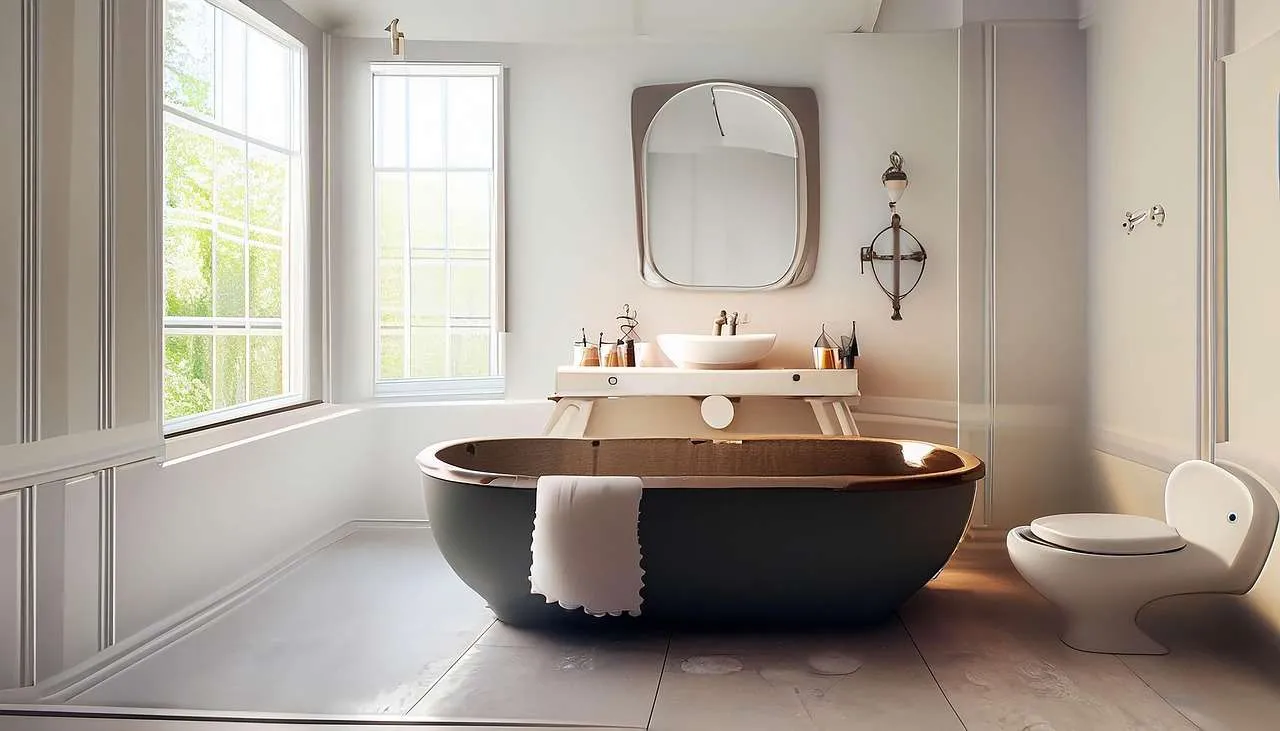
Choose a vanity with integrated storage to reduce clutter. A freestanding bathtub or a wall mounted sink can define the space and offer a cleaner sightline. Water-efficient fixtures help reduce utility costs while improving sustainability.
Storage and organization that support decor
Smart storage is decorative by design. Use open shelving for towels and baskets, and conceal daily essentials in vanity drawers with dividers. Waterproof organizers keep medicines and toiletries safe and organized.
Practical tips for every layout
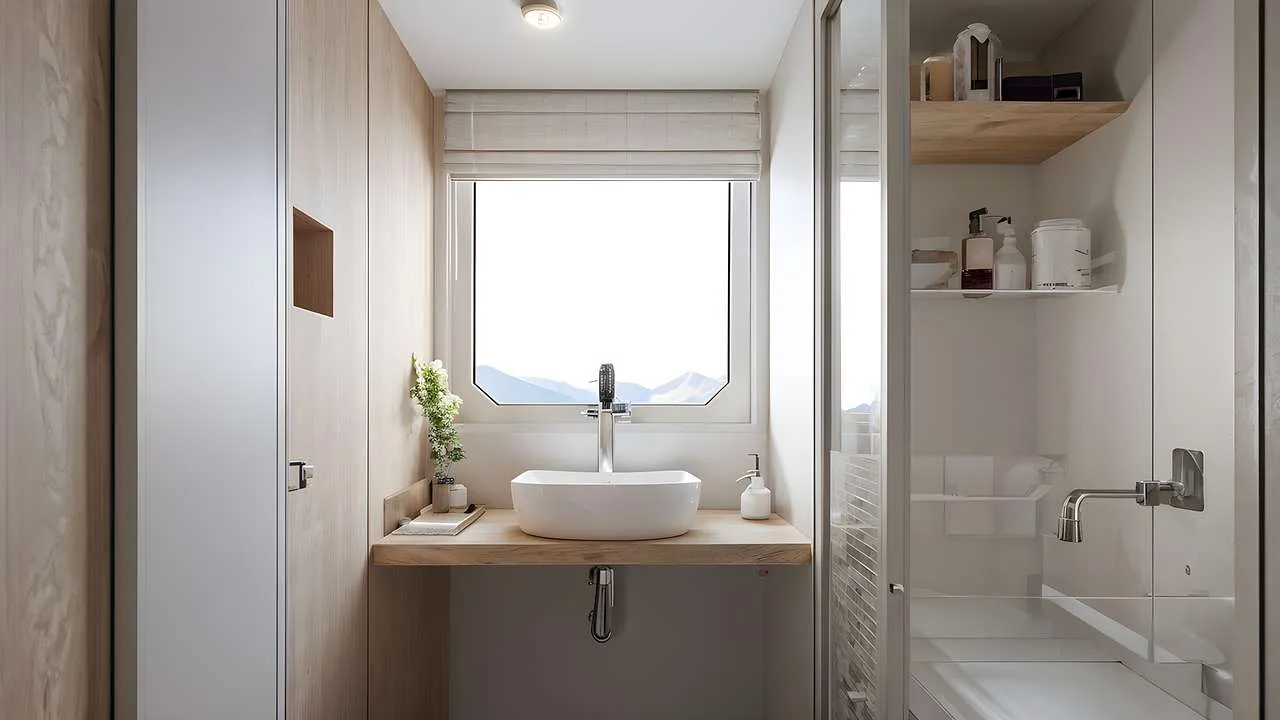
In small bathrooms, maximize vertical space with tall cabinets and hooks. In larger baths, create zones with different materials or colors to delineate shaving, grooming, and bathing areas. Choose baskets and containers that match your color palette for a cohesive look.
Style options: a quick comparison
| Style | Key Elements | Pros | Cons | Best For |
|---|---|---|---|---|
| Minimalist | Clean lines, neutral palette, hidden storage | Calm, easy maintenance | Can feel sterile if overdone | Small spaces, modern homes |
| Coastal | Soft blues, whites, natural textures | Bright and airy | Maintenance of light tones required | Beachy feel without clutter |
| Glam | Metallics, high-contrast surfaces, plush textiles | Luxurious look | Higher cost and upkeep | Master baths with drama |
| Traditional | Warm woods, classic tiles, timeless fixtures | Timeless appeal | Can feel dated if not updated | Long-term value |
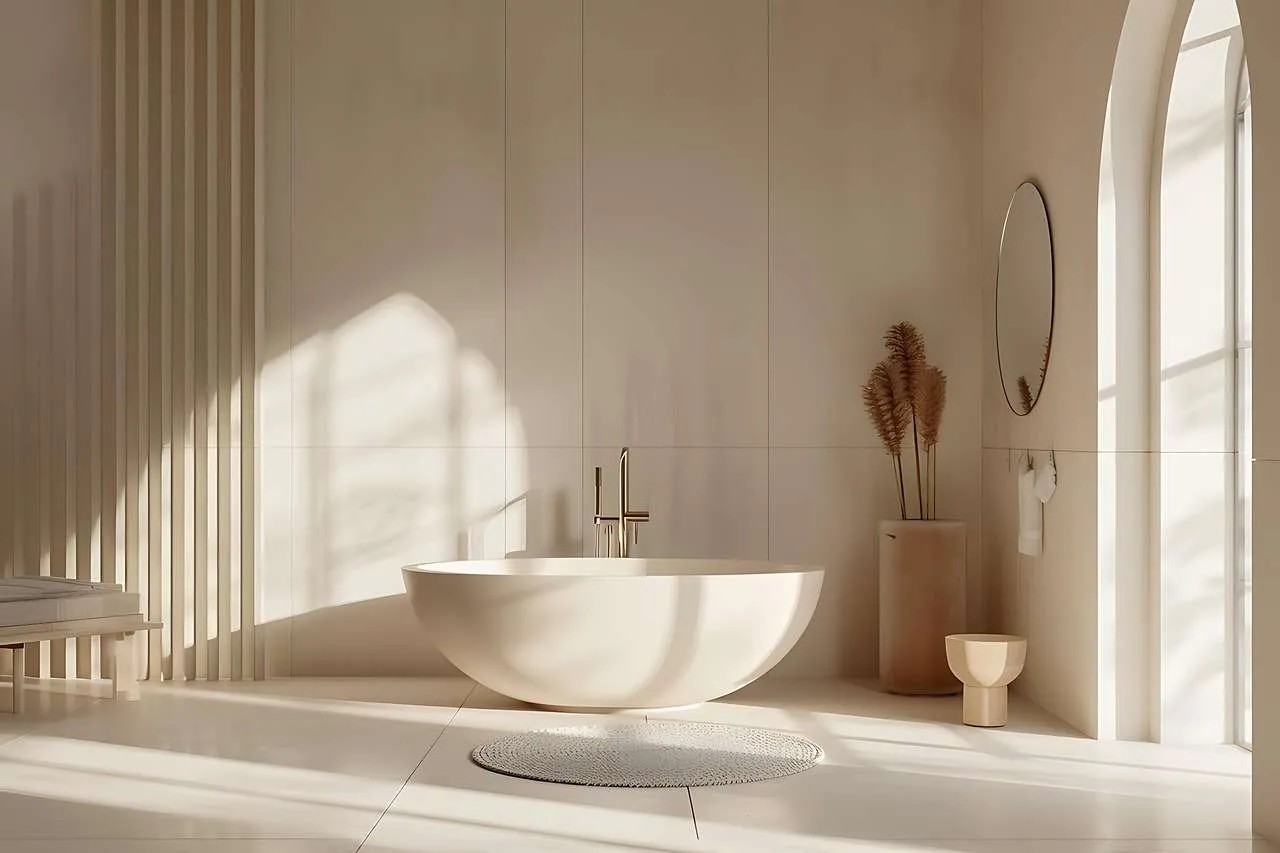
| Spa-inspired | Natural stone, soft textures, neutral hues | Relaxing atmosphere | Can be high-end; budget-friendly options exist |
To bring these styles to life, start with one anchor piece like a vanity or a tile pattern, then layer color and texture through towels, rugs, and art. The goal is a coherent feel that adapts to your routine and scales with your budget.
Conclusion, thoughtful bathroom decor combines color, lighting, storage, and durable materials to create a cohesive, functional space that lasts.